In the dynamic realm of user experience (UX) design, the pathway to crafting memorable and impactful user interfaces extends far beyond the confines of traditional design principles. It lies in the power of collaboration across disciplines, merging the insights and expertise of psychologists, data scientists, and more with the creative and strategic prowess of UX designers. This multidisciplinary approach not only enriches the design process but also paves the way for more intuitive, inclusive, and user-centric digital products. Let’s dive into the essence of cross-disciplinary UX, showcasing products that have implemented the same strategies and the transformative outcomes of these collaborations.

The Essence of Cross-Disciplinary Collaboration in UX
The Convergence of Fields
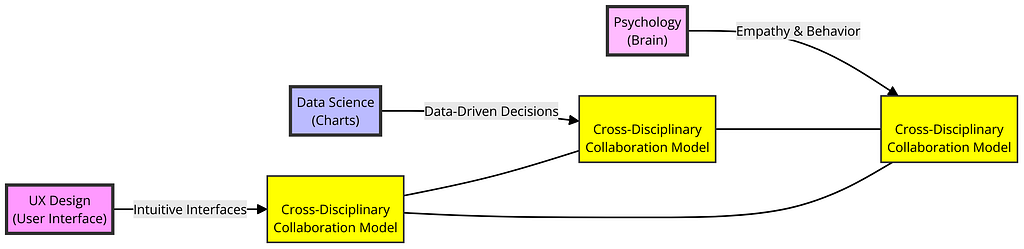
Cross-disciplinary collaboration in UX involves integrating knowledge and methods from various domains to create products that truly resonate with users.
For instance, psychologists can offer insights into human behavior and cognitive processes, helping designers create more empathetic and user-centric designs. Similarly, data scientists can analyze user data to uncover patterns and preferences, guiding the design process with evidence-based decisions.
Strategies for Successful Collaboration
Successful cross-disciplinary collaboration requires more than just bringing different experts together. It demands a shared language, mutual respect, and an understanding of each discipline’s value. Strategies include:
- Regular Cross-disciplinary Workshops: Facilitate sessions where team members share their expertise and insights, fostering mutual learning and understanding.
- Integrated Project Teams: Create teams that include professionals from the required disciplines from the outset, ensuring holistic project development.
- User-centric Design Processes: Ensure that all disciplinary contributions are aligned with creating optimal user experiences, keeping the user’s needs and behaviors at the forefront.

Cross-Disciplinary UX Stories
Spotify’s personalized playlists, like “Discover Weekly” is a prime example of cross-disciplinary UX in action. By combining the expertise of data scientists (for data analysis and pattern recognition) with UX designers (for intuitive interface design), Spotify creates a highly personalized and engaging user experience that keeps listeners coming back.

Duolingo the popular language-learning app uses gamification to make learning a new language engaging and fun. Psychologists help design the reward system to keep users motivated, while data scientists analyze user progress to optimize the learning algorithms. UX designers ensure the app is user-friendly, creating a seamless learning experience.

Challenges and Solutions
While the benefits are plentiful, cross-disciplinary collaboration isn’t without its challenges. These include communication barriers, differing priorities, and integration of diverse workflows.
Solutions involve establishing clear communication channels, defining common goals, and adopting agile methodologies that accommodate and respect each discipline’s contributions.
The Future is Collaborative
The fusion of UX design with other disciplines is not just a trend; It’s a forward-thinking approach to creating products and services that truly meet user needs. By embracing the diversity of expertise, perspectives, and methodologies, we can continue to push the boundaries of what’s possible in UX design. The Cross disciplinary UX Stories of Spotify and Duolingo, among others, serve as powerful testimonials to the effectiveness of this collaborative approach. As we look to the future, it’s clear that the most successful and innovative designs will come from teams that can harness the collective power of cross-disciplinary collaboration.
Unlocking Enhanced User Experiences: The Power of Cross-Disciplinary Collaboration in UX Design was originally published in Bootcamp on Medium, where people are continuing the conversation by highlighting and responding to this story.